Bitcoin Titans Clash: Michael Saylor & Adam Back Slam BIP-110 Ordinals Proposal!
Bitcoin Titans Clash: Michael Saylor & Adam Back Slam BIP-110 Ordinals Proposal! In the ever-evolving world of Bitcoin, few names resonate as loudly as Michael Saylor and Adam Back. These two tita...
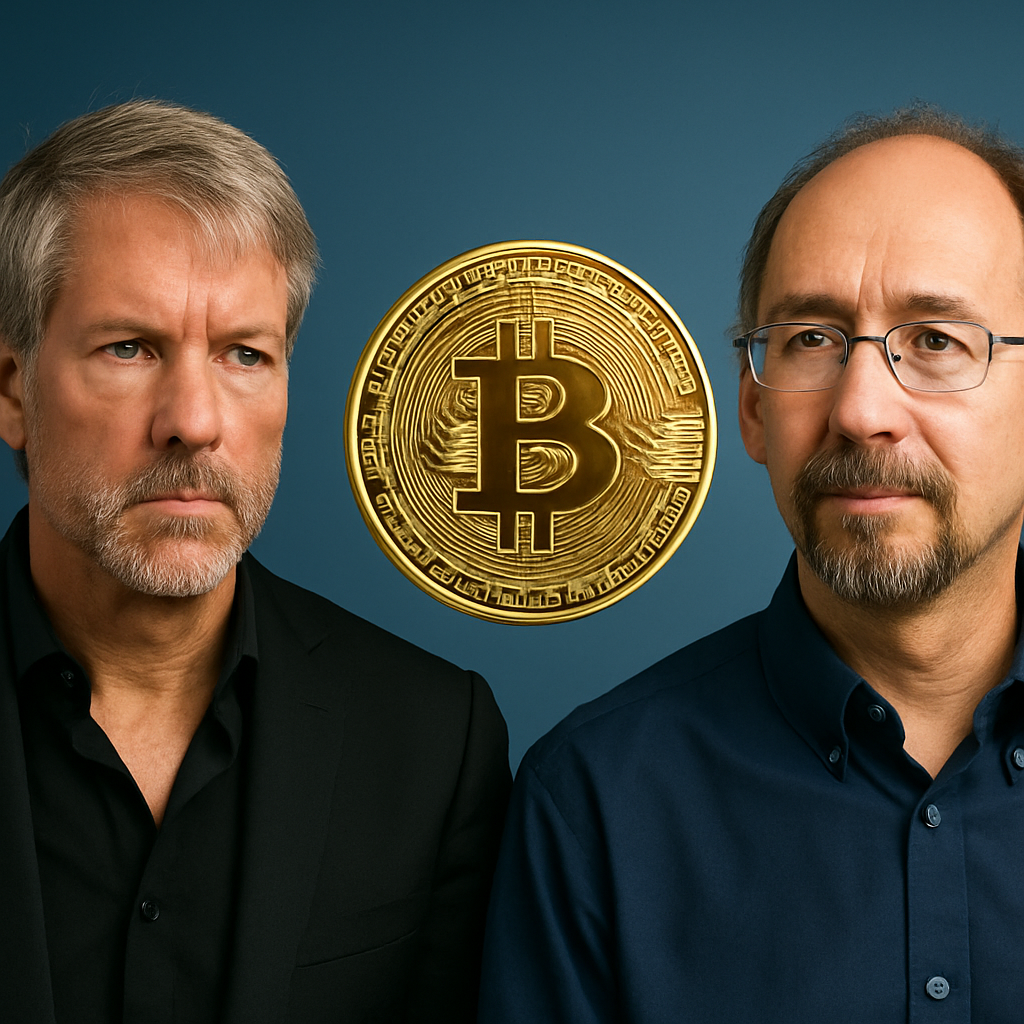
Bitcoin Titans Clash: Michael Saylor & Adam Back Slam BIP-110 Ordinals Proposal!
In the ever-evolving world of Bitcoin, few names resonate as loudly as Michael Saylor and Adam Back. These two titans have been pivotal players in the Bitcoin ecosystem, but they find themselves at odds over the controversial BIP-110 Ordinals proposal. Despite a notable downturn in Ordinals transaction activity over the past two years, the debate is heating up. Let’s dive into this clash of ideologies and what it means for the future of Bitcoin.
What is BIP-110 and Why Does It Matter?
Before we delve into the fray, it’s essential to understand what BIP-110 entails. The proposal aims to modify how transactions are processed on the Bitcoin network, specifically concerning the implementation of Ordinals. Ordinals, for those who may not be familiar, allow users to inscribe data onto individual satoshis, which has opened the door to a new wave of digital collectibles and non-fungible tokens (NFTs) on Bitcoin.
Supporters argue that this innovation could revolutionize how value is transferred and stored, effectively expanding Bitcoin’s utility. However, critics like Saylor and Back fear it could compromise the network's integrity and long-term vision.
Michael Saylor’s Perspective: The Importance of Purity
Michael Saylor, co-founder of MicroStrategy and a vocal Bitcoin advocate, has long championed the idea of Bitcoin as digital gold. He sees BIP-110 as a deviation from the foundational principles of Bitcoin. Saylor argues that focusing on speculative projects like Ordinals detracts from Bitcoin's primary value proposition—its role as a decentralized and secure store of value.
Saylor’s concerns reflect a broader sentiment within the Bitcoin community. He believes that the introduction of such features could lead to increased congestion on the network, higher fees, and ultimately, a dilution of Bitcoin's core purpose. For him, it’s about maintaining the purity of the original vision laid out by Satoshi Nakamoto.
Adam Back’s Take: A Threat to Bitcoin’s Future?
Adam Back, the CEO of Blockstream and another key figure in the Bitcoin space, shares Saylor’s apprehensions. He argues that the focus on Ordinals could lead to unintended consequences for the Bitcoin ecosystem. According to Back, the proposal may introduce complexities that could undermine the scalability and security of the network.
Back emphasizes that Bitcoin should remain a robust, censorship-resistant currency rather than morphing into a platform for speculative assets. He calls for a unified approach to maintain Bitcoin's integrity, suggesting that the community should prioritize improvements that enhance its functionality as a currency.
The Impact of Declining Ordinals Activity
Interestingly, this clash comes at a time when Ordinals transaction activity has seen a significant downturn over the past two years. The initial hype surrounding Ordinals seems to have waned, with users increasingly questioning the sustainability of this trend. This decline raises a crucial question: Is the debate over BIP-110 merely a distraction from more pressing issues facing Bitcoin?
With transaction numbers dwindling, critics may argue that the community should focus on addressing scalability and security concerns rather than introducing new proposals that could complicate the network further. Saylor and Back’s opposition to BIP-110 could be seen as a push to redirect attention back to Bitcoin’s foundational goals.
Conclusion: A Call for Unity or Division?
As the debate over BIP-110 rages on, it’s clear that the clash between Bitcoin’s titans raises fundamental questions about the future of the network. While Saylor and Back’s concerns are rooted in a desire to protect Bitcoin’s integrity, the declining interest in Ordinals suggests that innovation must be balanced with the core principles that made Bitcoin a revolutionary force in finance.
In this ever-polarizing landscape, will the Bitcoin community unite around a shared vision, or will divisions deepen as different factions vie for control over its future? Time will tell, but one thing is certain: the battle over BIP-110 is far from over, and the outcomes could shape the trajectory of Bitcoin for years to come.
As we move forward, let’s hope that the discourse remains constructive, fostering an environment where innovation and tradition can coexist harmoniously. After all, Bitcoin's resilience lies not only in its technology but in the strength of its community.
Related Reading


This article is for informational purposes only and does not constitute financial advice.