Bitcoin Soars Past $65K: What Upcoming US Inflation Data Means for Your Investments!
Bitcoin Soars Past $65K: What Upcoming US Inflation Data Means for Your Investments! Hello, fellow crypto enthusiasts! If you’re keeping an eye on the markets, you might have noticed that Bitcoin has...
Bitcoin Soars Past $65K: What Upcoming US Inflation Data Means for Your Investments!
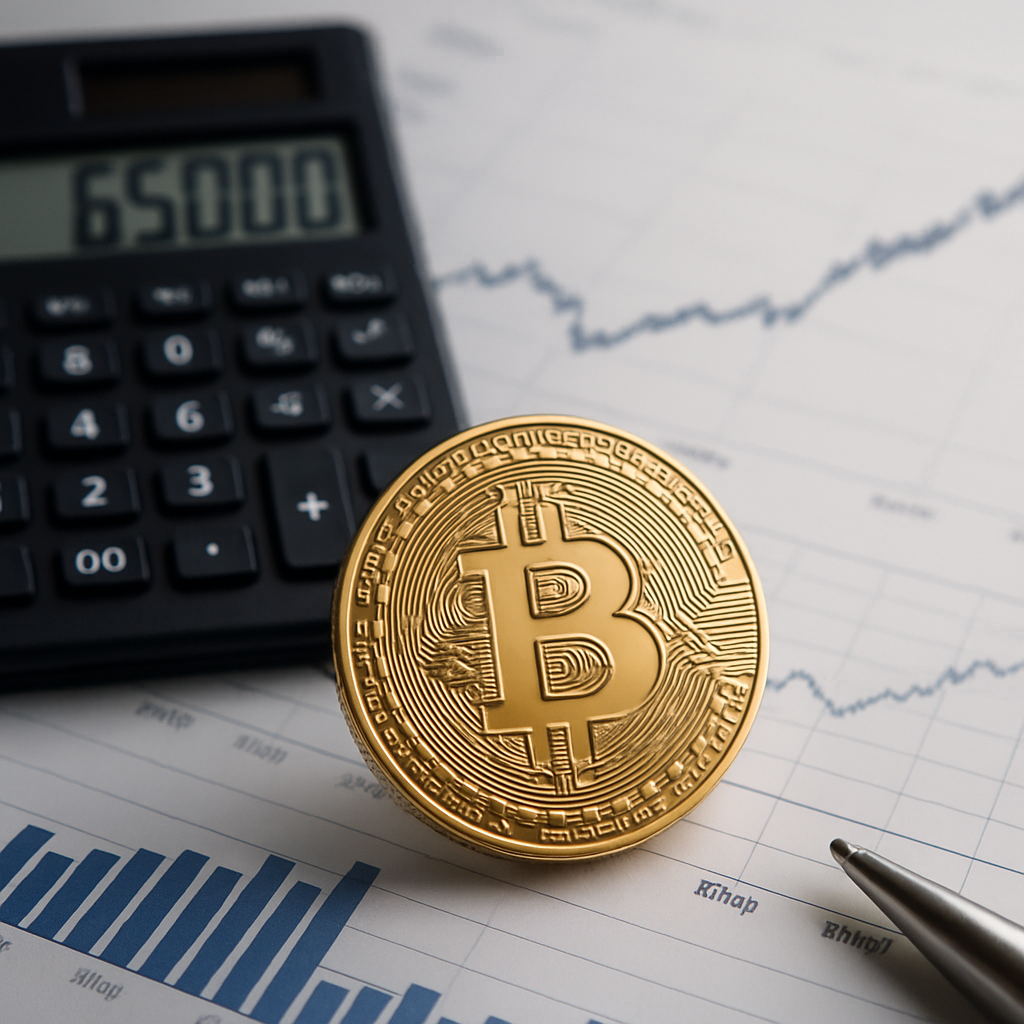
Hello, fellow crypto enthusiasts! If you’re keeping an eye on the markets, you might have noticed that Bitcoin has just crossed the impressive $65,000 mark! As we prepare for the upcoming US inflation data release this week, it’s a perfect time to dive into what this means for your investments. So, grab your virtual surfboard, and let’s ride this bullish wave together!
Bitcoin’s Stellar Performance
What an exhilarating time to be in the crypto space! Bitcoin’s recent surge past $65,000 is not just a number—it’s a significant milestone that reflects the growing confidence in cryptocurrency as a serious asset class. Alongside Bitcoin, other major cryptocurrencies like Ethereum and Binance Coin (BNB) are also riding the upward trend, each seeing gains of nearly 3% this week. And let’s not forget about XRP, which, despite being the odd one out, is still part of this vibrant crypto ecosystem!
Why the Optimism?
So, what’s driving this optimism in the market? Well, one factor is the positive sentiment in global stock markets, which are trading near record highs. Investors are increasingly looking for alternative assets to diversify their portfolios, and cryptocurrencies are becoming an attractive option. Traditional financial markets and digital assets are increasingly dancing together, and many are beginning to see Bitcoin not just as a speculative asset but as a hedge against inflation.
The Inflation Factor
Now, let’s talk about the upcoming US inflation data. Scheduled to be released this week, this data will be closely scrutinized by investors around the globe. Why? Because inflation has a significant impact on monetary policy, which in turn affects the value of assets—both traditional and digital.
What to Expect
Analysts predict that inflation might remain elevated, which can lead to increased volatility in the stock market and a potential rise in cryptocurrency values. When inflation is high, central banks may need to consider tightening monetary policy, which could lead to a decrease in liquidity. However, many investors view Bitcoin as a hedge against inflation, making it an attractive option when inflation fears loom large.
The Bullish Case for Bitcoin
If the inflation data comes in higher than expected, we could see more investors flocking to Bitcoin as a safe haven. The narrative of Bitcoin as "digital gold" continues to gain traction, especially in an environment where fiat currencies are losing purchasing power due to inflation. This could propel Bitcoin even further, potentially leading to new all-time highs!
Other Cryptos in the Green
It’s not just Bitcoin that’s basking in the sunlight! This week, nearly every major cryptocurrency is in the green. Ethereum, with its robust smart contract capabilities, remains a favorite among developers, while Binance Coin continues to capitalize on the growing DeFi and NFT markets. The overall bullish sentiment is infectious, and it’s an exciting time for crypto investors.
Conclusion: A Bright Future Ahead
As we await the US inflation data, it’s essential to keep a close eye on how it might impact the markets. The current upward trend in Bitcoin and other cryptocurrencies is a positive sign that investors are embracing digital assets more than ever. Whether you’re a seasoned investor or new to the crypto space, this could be a pivotal moment for your portfolio.
So, buckle up, stay informed, and get ready to make the most of the opportunities ahead. The crypto wave is rising, and with Bitcoin topping $65,000, there’s never been a better time to be part of this exhilarating journey!
Happy investing, and remember: always do your own research!
Related Reading

This article is for informational purposes only and does not constitute financial advice.