Bitcoin Dips 2% as Korea's Kospi Crashes 10%: What It Means for Your Investments!
Bitcoin Dips 2% as Korea's Kospi Crashes 10%: What It Means for Your Investments! In the ever-volatile world of cryptocurrencies, even the smallest tremors in traditional markets can send ripples...
Bitcoin Dips 2% as Korea's Kospi Crashes 10%: What It Means for Your Investments!
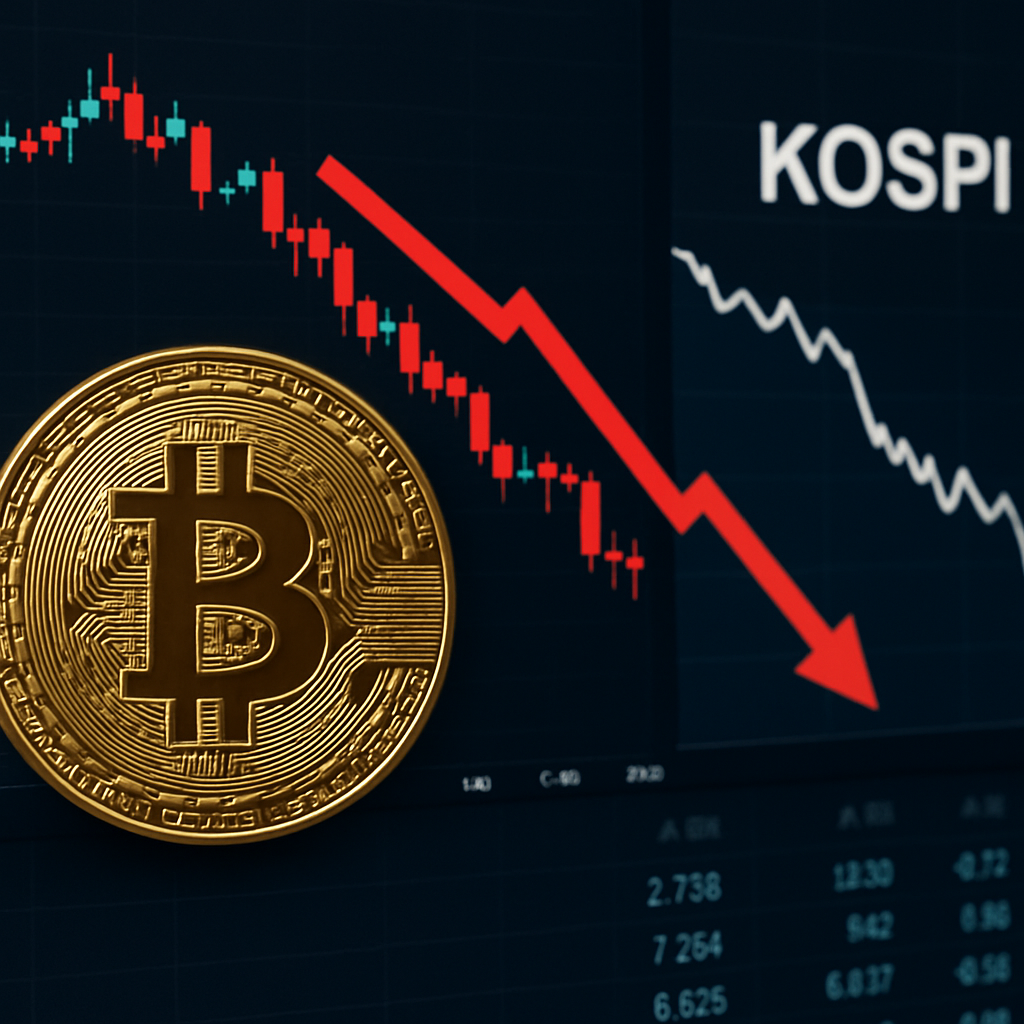
In the ever-volatile world of cryptocurrencies, even the smallest tremors in traditional markets can send ripples through the digital currency landscape. Just recently, Bitcoin (BTC) saw a 2% drop to $65,148.57 after the U.S. stock market closed, largely influenced by the staggering 10% plunge in South Korea's Kospi index. So, what exactly does this mean for your investments? Let’s break it down.
The Ripple Effect: Bitcoin and Traditional Markets
When the Kospi index—South Korea's primary stock exchange—takes a nosedive, it often sends shockwaves through global markets, including cryptocurrencies. This is especially true in a climate where investors are increasingly viewing digital assets like Bitcoin as risk assets rather than safe havens.
Why the Kospi's Crash Matters
The 10% drop in the Kospi is indicative of broader economic concerns. Factors such as rising inflation, tightening monetary policy, and geopolitical tensions can lead investors to take a more cautious approach. As the Kospi fell, it triggered a risk-off sentiment, causing many to retreat to safer investments. In such an environment, Bitcoin, despite its popularity, can be perceived as too volatile for risk-averse investors.
Bitcoin: The Volatile Digital Asset
Bitcoin’s recent decline highlights its susceptibility to market sentiment. While Bitcoin has gained considerable mainstream acceptance, it remains a high-risk investment. The 2% drop post-U.S. market close reflects how interconnected traditional financial markets are with cryptocurrencies. When investors pull back from equities, they often do the same with Bitcoin.
Understanding Market Sentiment
Market sentiment is a powerful force. When traditional markets falter, it can trigger a wave of selling across all asset classes, including cryptocurrencies. This is why Bitcoin's price is not immune to the broader economic climate. Investors may decide to liquidate their positions in Bitcoin to cover losses in stocks or simply out of fear of further declines.
What Should Investors Do?
So, what does this mean for your investments? Here are a few considerations:
1. Stay Informed
Keep a close eye on global market trends. Understanding the interconnectedness of different asset classes can help you make more informed decisions about your investments in Bitcoin and other cryptocurrencies.
2. Risk Management is Key
If you’re investing in Bitcoin, ensure your portfolio is well-diversified. Don't put all your eggs in one basket. Allocate only a portion of your investments to cryptocurrencies, as their volatility can lead to significant losses.
3. Long-Term Perspective
If you believe in the long-term potential of Bitcoin, don’t be swayed by short-term fluctuations. However, it’s crucial to revisit your investment strategy regularly and adjust based on changing market conditions.
Conclusion: Navigating the Choppy Waters of Cryptocurrency
The recent dip in Bitcoin's value, alongside the Kospi's significant decline, serves as a reminder of the inherent risks involved in investing in cryptocurrencies. As markets shift and evolve, maintaining a balanced and informed approach to investing is critical. While Bitcoin may have long-term potential, the short-term volatility can be unnerving.
Stay vigilant, stay informed, and don’t let fear dictate your investment decisions!
Related Reading


This article is for informational purposes only and does not constitute financial advice.