Texas Bitcoin Miners Face New ERCOT Grid Rules: What You Need to Know!
Texas Bitcoin Miners Face New ERCOT Grid Rules: What You Need to Know! The world of Bitcoin mining is ever-evolving, and Texas has been a key player in the crypto landscape. However, recent developmen...
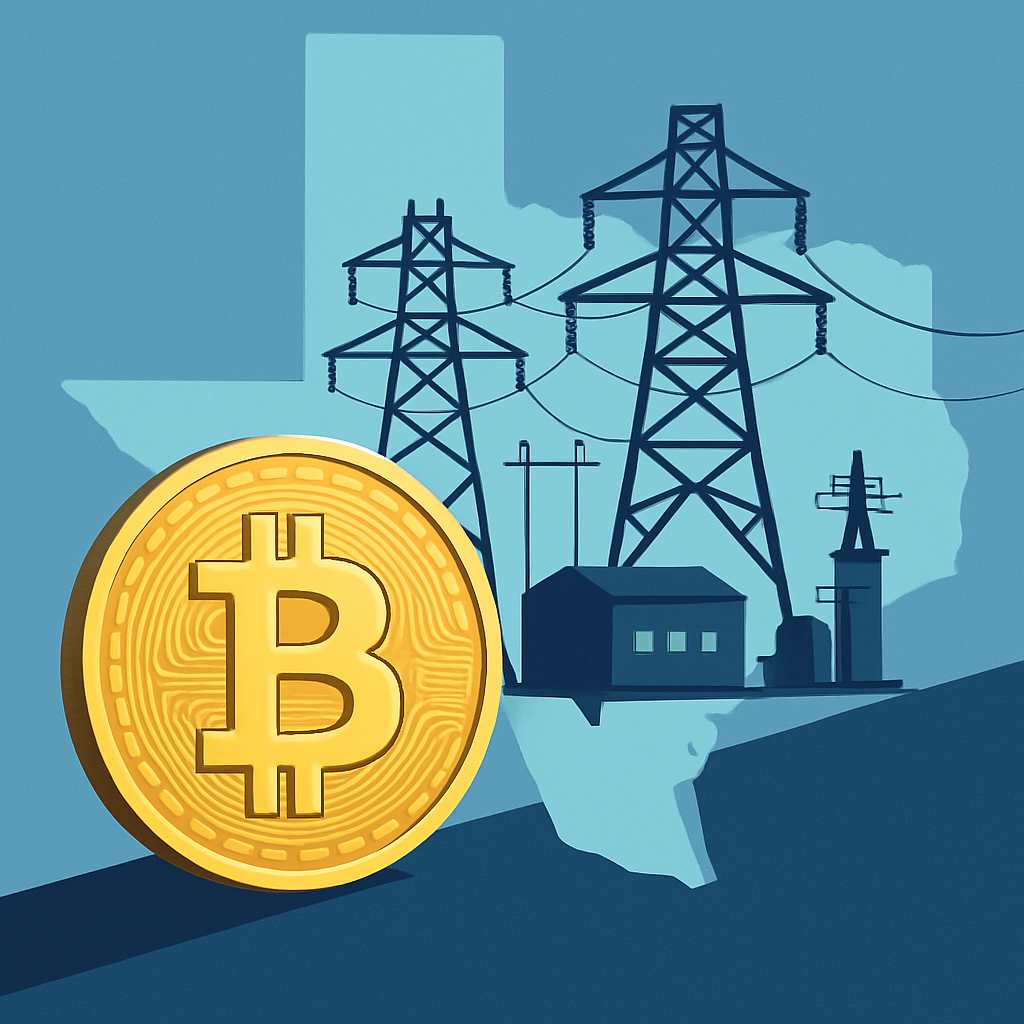
Texas Bitcoin Miners Face New ERCOT Grid Rules: What You Need to Know!
The world of Bitcoin mining is ever-evolving, and Texas has been a key player in the crypto landscape. However, recent developments regarding ERCOT (Electric Reliability Council of Texas) grid rules have introduced new challenges for miners in the Lone Star State. While the spotlight often shines on token prices and market fluctuations, it’s crucial to understand the infrastructure and regulatory changes shaping this industry. Let’s dive into what these new rules mean for Texas Bitcoin miners and why they matter!
The ERCOT Landscape: What’s Changing?
ERCOT is responsible for managing the electric grid in Texas, overseeing the distribution of electricity to millions of residents and businesses. As Bitcoin mining operations grow, they place increasing demands on the state’s energy resources. The new ERCOT rules aim to address these demands while ensuring grid reliability and efficiency.
New Regulations: A Double-Edged Sword
The recent ERCOT grid rules are designed to enhance the resilience of the energy grid, especially during peak demand periods. However, they also pose significant hurdles for Bitcoin miners. For instance, miners may now face stricter limitations on their energy consumption, particularly during high-demand periods when the grid is under strain. This could mean that miners need to rethink their operational strategies, possibly leading to higher costs and reduced profitability.
Infrastructure Challenges: More Than Just Regulations
While the new rules are primarily regulatory, they highlight a deeper issue: the infrastructure supporting Bitcoin mining in Texas. Many miners have flocked to the state due to its relatively low electricity costs and favorable regulations. However, as demand for electricity rises, the existing infrastructure may struggle to keep up.
This situation serves as a reminder that successful mining operations depend not only on favorable regulations but also on a robust infrastructure capable of meeting their energy needs. Without significant investments in energy production and grid enhancements, miners could find themselves in a precarious position.
The Broader Impact on the Crypto Market
It’s easy to get lost in the numbers and charts of Bitcoin prices, but the impact of infrastructure and regulations can be just as significant. The new ERCOT rules may lead to a more sustainable mining ecosystem in the long run, but they could also slow down growth in the short term.
For investors and stakeholders, this means keeping an eye on how these regulatory changes affect miner operations and, ultimately, the Bitcoin supply chain. If miners face increased costs or operational limitations, this could ripple through the market, influencing token prices and investor sentiment.
A Call for Collaboration
As Texas miners grapple with these new rules, there’s an opportunity for collaboration between the crypto industry and regulatory bodies. Engaging in open dialogue about energy needs, resource allocation, and infrastructure development could lead to solutions that benefit both miners and the broader community.
Conclusion: Navigating the Future of Bitcoin Mining in Texas
The new ERCOT grid rules represent both a challenge and an opportunity for Texas Bitcoin miners. While these regulations may introduce new hurdles, they also encourage a more sustainable approach to energy consumption in the mining sector. As the industry adapts to these changes, it’s essential for miners, investors, and regulators to work together to foster a resilient and efficient ecosystem.
Remember, the story of cryptocurrency is not just about prices; it’s also about the infrastructure that supports it. As we move forward, let’s keep an eye on the bigger picture—because the future of Bitcoin mining in Texas will depend on how well we navigate these complex challenges.
Related Reading

This article is for informational purposes only and does not constitute financial advice.