Dubai and Seoul Lead the Charge in Global Crypto Revolution
Dubai's Bold Move: Tokenization and the Future of Crypto Dubai's Bold Move: Tokenization and the Future of Crypto In a rapidly evolving digital landscape, Dubai is making waves by doubling down on its digital asset ambitions. The city-state’s Virtual Assets Regulatory Authority (VARA) has set its sights on becoming a h

Dubai's Bold Move: Tokenization and the Future of Crypto
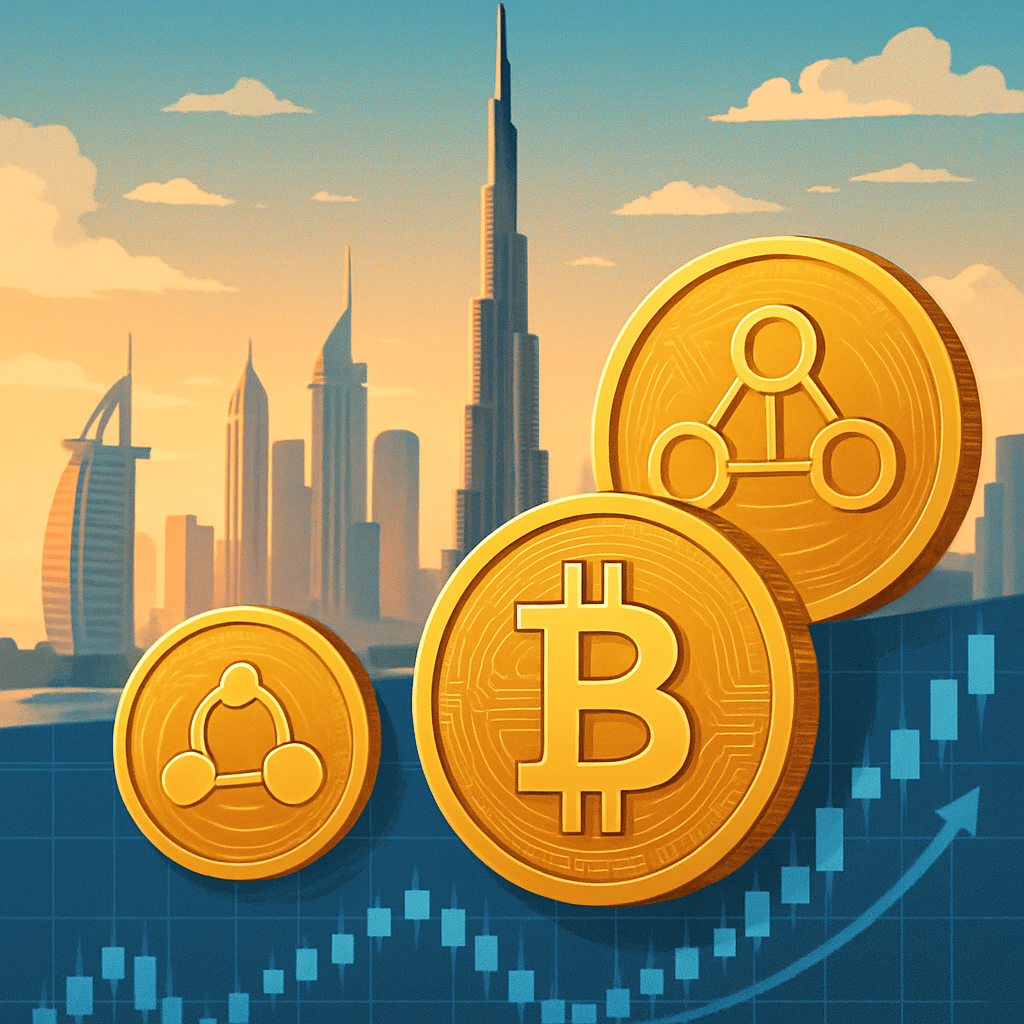
In a rapidly evolving digital landscape, Dubai is making waves by doubling down on its digital asset ambitions. The city-state’s Virtual Assets Regulatory Authority (VARA) has set its sights on becoming a hub for tokenized asset protocols, and recent developments suggest they’re serious about it. With a new memorandum of understanding (MoU) signed with tokenization specialist Securitize, Dubai aims to transform traditional financial instruments like bonds and funds into compliant on-chain assets. This strategic move positions Dubai as a potential leader in the burgeoning market of tokenized securities, a sector already valued in the tens of billions of dollars.
Global Shifts in Tokenized Securities
The trend towards tokenization isn’t confined to Dubai. South Korea’s Financial Services Commission has unveiled a roadmap to digitize its entire securities infrastructure, including stocks, bonds, and funds, by 2027. This transformation will allow for settlement in stablecoins and permit existing issuers to tokenize without additional licensing burdens. Such initiatives underscore a global shift from theoretical discussions to actionable national policies regarding tokenized securities.
- Dubai partners with Securitize to advance tokenization.
- South Korea plans a three-stage roadmap for securities tokenization by 2027.
- Tokenized securities are transitioning to strategic national policies.
The Ripple Effect on Traditional Finance
While Dubai and Seoul push forward with tokenization, traditional financial systems are also adapting. Chainlink’s partnership with Bottomline, a major payments provider, is a testament to this. By integrating blockchain technology with existing financial messaging systems, they aim to enhance cross-border transactions with greater speed and lower fees. This development is not just a technical upgrade but a significant step towards embedding Web3 innovations into legacy finance infrastructures.
In contrast, the world of tokenization isn’t without its controversies. AMC’s CEO has criticized Robinhood’s launch of tokenized AMC shares without proper authorization, highlighting the ongoing tension between innovation and regulatory compliance in the crypto space.
Market Dynamics and Regulatory Challenges
As countries and companies navigate this transformative period, regulatory bodies are tasked with balancing innovation with oversight. The International Monetary Fund’s (IMF) recent endorsement of El Salvador’s Bitcoin strategy, due to private rather than public investment, reflects a nuanced approach to crypto regulation. Meanwhile, the U.S. and U.K. are collaborating to combat crypto-related scams, recognizing the need for international cooperation in this domain.
- IMF clarifies El Salvador's Bitcoin holdings are privately funded.
- The U.S. and U.K. launch a joint effort to tackle crypto scams.
- Balancing innovation with regulatory oversight remains a key challenge.
Key Takeaway: As Dubai spearheads the movement towards tokenized securities, global financial systems are evolving rapidly. From regulatory frameworks to international partnerships, the crypto landscape is shifting. For investors, staying informed about these changes is crucial as the line between traditional and digital finance continues to blur.
Related Reading


This article is for informational purposes only and does not constitute financial advice.