
Crypto's Quiet Revolution: Shifts in Power, Risk, and Regulation
The Quiet Evolution of Crypto: A Day of Shifts and Signals While the crypto market may appear calm on the surface, with prices mostly drifting sideways, significant changes are happening behind the scenes. From corporate power shifts to security challenges and regulatory maneuvers, the crypto landscape is quietly evolv
The Quiet Evolution of Crypto: A Day of Shifts and Signals
While the crypto market may appear calm on the surface, with prices mostly drifting sideways, significant changes are happening behind the scenes. From corporate power shifts to security challenges and regulatory maneuvers, the crypto landscape is quietly evolving, setting the stage for future developments.
Corporate Moves and Market Dynamics
In Japan, a notable shift occurred as Quantum Solutions, once the country's largest corporate Ethereum holder, decided to sell substantial amounts of its ETH holdings. The company reduced its Ethereum stack by nearly 30 percent, reallocating the proceeds into AI infrastructure and data center expansion. This move indicates a strategic pivot, with traditional companies eyeing greater returns from technological investments rather than solely relying on cryptocurrency market gains.
Meanwhile, Coinbase, a major player in the crypto exchange space, reported a mixed quarter. Although trading volumes cooled, the company is gradually transforming from a trading-centric platform to a diversified one, with growing revenues from derivatives, stablecoins, subscriptions, and lending. This shift reflects a maturing market as institutions increasingly favor structured products over speculative trading.
Security Concerns and Regulatory Challenges
Security in the crypto world faced a setback as a critical firmware flaw in Coldcard hardware wallets was exposed. This flaw, lurking since 2021, resulted in the theft of approximately 594 BTC due to compromised wallet seeds. As self-custody remains a popular choice, this incident serves as a stark reminder that even hardware solutions are not immune to vulnerabilities.
On the regulatory front, the Internal Revenue Service (IRS) became entangled in crypto-related scams. Fraudsters are sending out fake IRS notices about "digital asset compliance," luring victims to a counterfeit portal. Amidst heightened scrutiny from tax authorities, investors must remain vigilant against such sophisticated phishing attempts.
- Quantum Solutions reallocates ETH proceeds to AI and data centers.
- Coinbase diversifies beyond trading, focusing on derivatives and lending.
- Coldcard wallet flaw highlights ongoing security challenges.
- IRS-related scams target crypto investors with fake compliance notices.
Institutional Influence and Market Maturation
Institutional investors are increasingly dominating the crypto market, a trend highlighted by Wintermute's report that 72 percent of its spot OTC crypto volume in the first half of 2026 came from institutions. As liquidity consolidates into fewer tokens, the volatility traditionally associated with crypto is gradually decreasing, paving the way for more selective, research-driven investments.
Stablecoins continue to be a cornerstone of the crypto ecosystem, with Circle securing a New York limited-purpose trust charter, enhancing its credibility. Concurrently, Tether reported significant profits, reinforcing its dominance, particularly in emerging markets. However, its growing size coupled with thinner reserves is drawing regulatory attention.
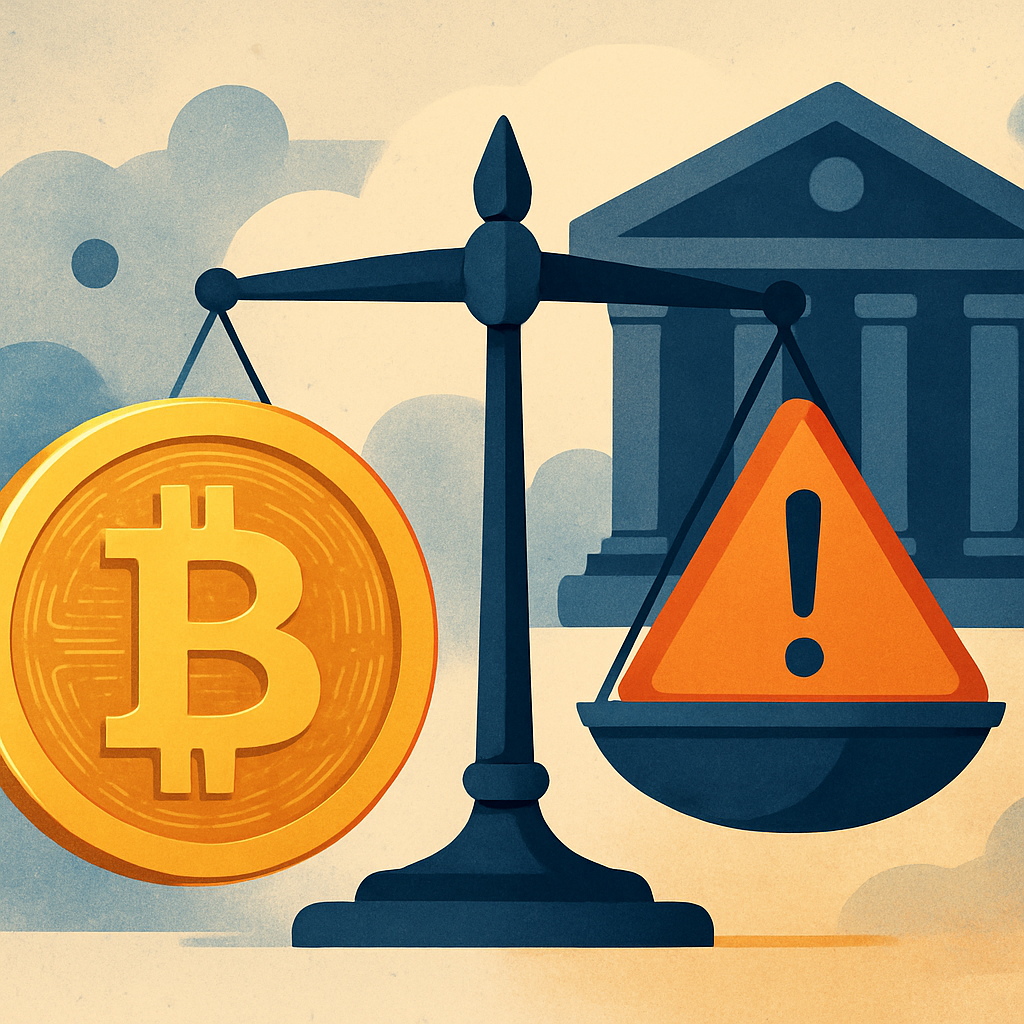
Key Takeaway: The crypto market is maturing, with strategic corporate reallocations, increased institutional influence, and ongoing regulatory and security challenges. While prices remain stable, these underlying shifts are setting the stage for the next evolution of the crypto landscape.
Related Reading



This article is for informational purposes only and does not constitute financial advice.