
Crypto's Global Shifts: Regulation, Adoption, and Market Challenges Unveiled
```html CryptoTalkies.net: Navigating the Evolving Crypto Landscape The Evolving Crypto Landscape: Navigating Regulation, Adoption, and Innovation Regulation: A Global Tug-of-War As the crypto sun sets on another bustling day, regulation has taken center stage. In Asia, South Korea is making strides toward becoming a g
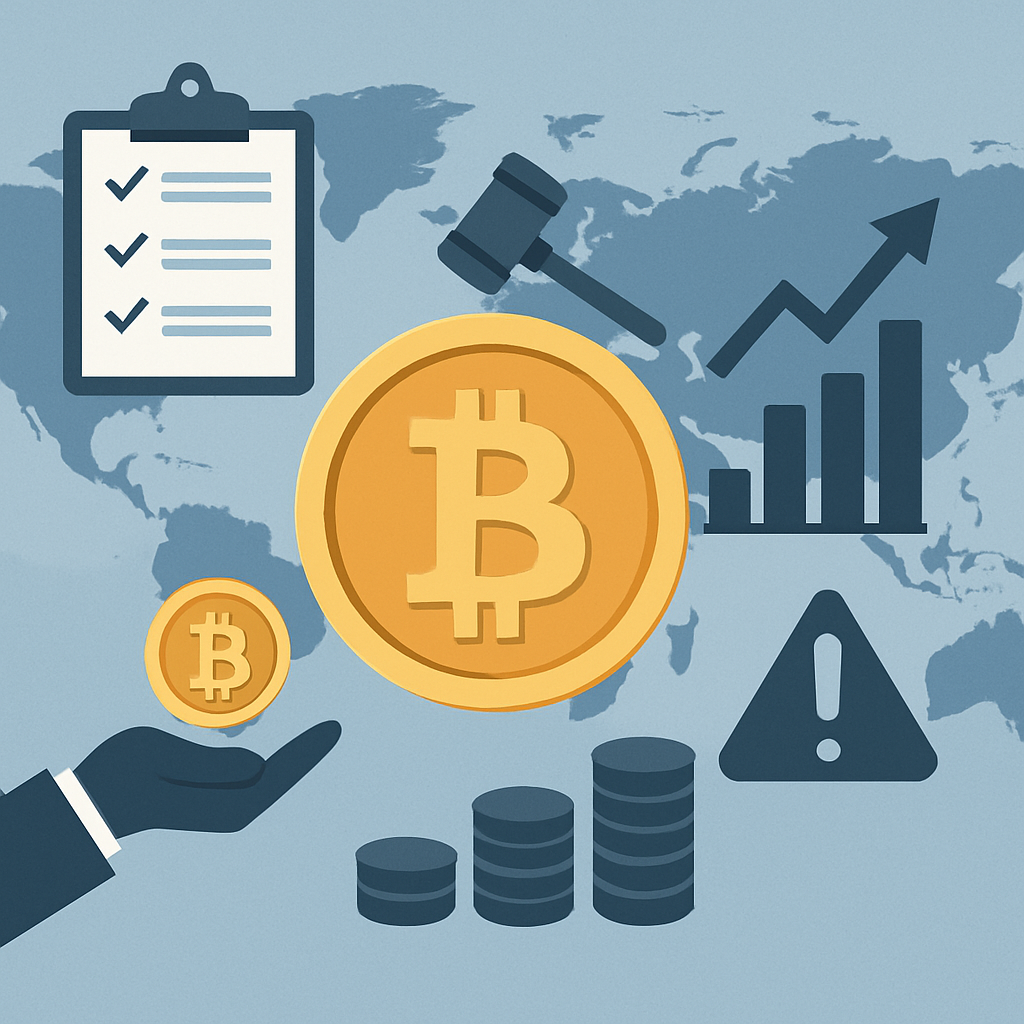
The Evolving Crypto Landscape: Navigating Regulation, Adoption, and Innovation
Regulation: A Global Tug-of-War
As the crypto sun sets on another bustling day, regulation has taken center stage. In Asia, South Korea is making strides toward becoming a global hub for digital assets. The country is on the brink of establishing a unified Digital Asset Basic Act, which aims to streamline the regulatory framework for crypto and stablecoins. However, a political battle looms over the proposed 22% tax on crypto gains, set to be implemented in 2027. Policymakers are debating whether to soften or scrap it entirely before it takes effect.
Meanwhile, in Europe, Hungary has taken a friendlier regulatory approach by repealing its controversial crypto transaction validation rule. This shift aligns Hungary more closely with the EU's impending MiCA regime, offering a warmer welcome to crypto businesses. CoinCash, a local firm, has become the first in Hungary to receive MiCA authorization, making it an attractive entry point for those eyeing the broader EU market.
Real-World Adoption: Tokenization and Institutional Moves
On the institutional front, tokenization is gaining traction. Aviva Investors, in collaboration with Ripple, has launched a tokenized share class of its US Dollar Liquidity Fund on the XRP Ledger. This innovative structure has gained approval from the Central Bank of Ireland, marking a regulatory first and offering 24/7 programmable access to a regulated fund settled on-chain.
In the corporate sector, Samsung SDS is partnering with Dunamu to develop infrastructure for stablecoin issuance and settlement, as well as tokenized securities and AI-powered payment tools. This collaboration could position South Korea as a leader in enterprise-level blockchain solutions, provided the regulatory framework is finalized.
Challenges and Opportunities: From Layoffs to Quantum Threats
Not all news is positive; some crypto firms are facing growing pains. Luno, for instance, announced a 20% reduction in its global workforce as it pivots toward institutional clients and embraces automation. This move is part of a broader trend where exchanges are aiming for leaner operations focused on serving fewer, larger clients.
In another development, Hyperscale Data is transitioning from Bitcoin mining to AI, leveraging BTC-backed credit facilities to fund its AI data center expansion. This pivot reflects broader market trends where GPUs offer better margins than pure Bitcoin mining.
Key Takeaway: As the crypto world continues to evolve, clearer regulations and institutional adoption are paving the way for mainstream acceptance. However, challenges like layoffs, scams, and emerging threats like quantum computing remind us that the market is still very much under construction. Staying informed and adaptable is crucial for navigating this dynamic landscape.
Related Reading



This article is for informational purposes only and does not constitute financial advice.